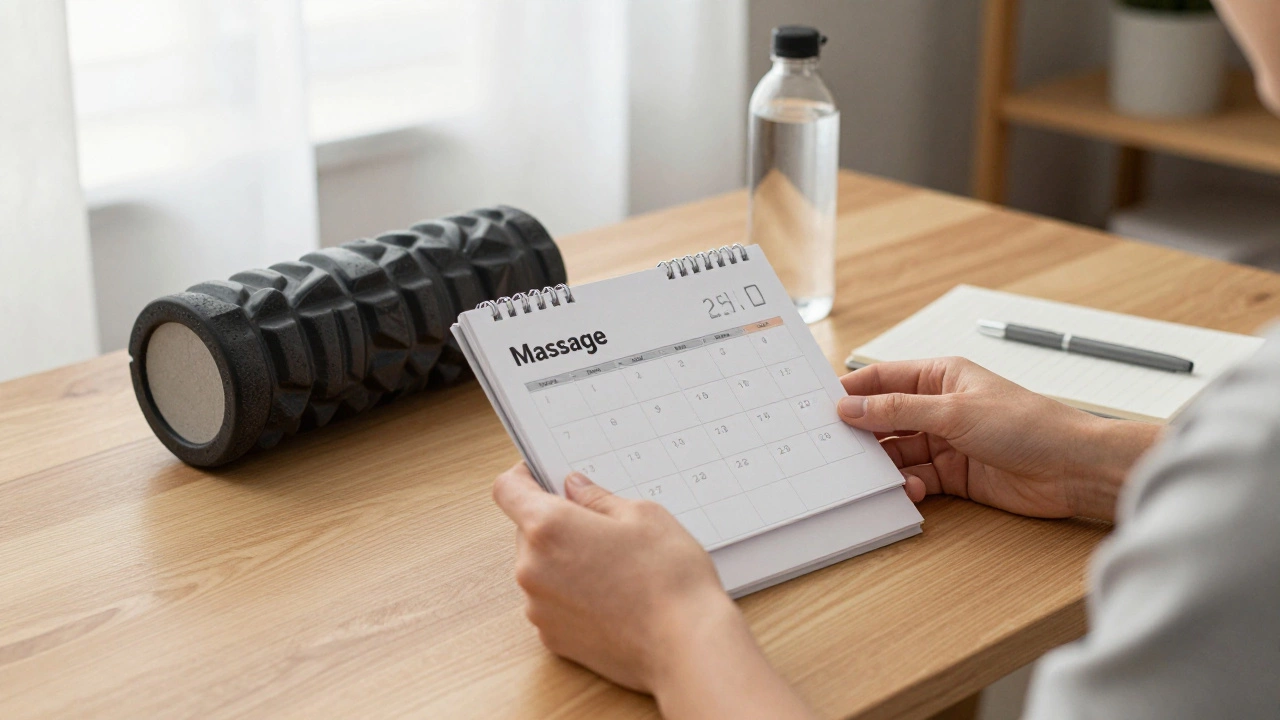
Most people think of massage as a luxury - something you do when you’re stressed, sore, or just treating yourself. But the real benefit isn’t in the occasional treat. It’s in making massage a regular part of your life. Like brushing your teeth or drinking water, consistent body massage helps your body function better, recover faster, and stay balanced. The question isn’t whether you can afford it - it’s whether you can afford not to.
If you’ve ever tried a nuru massage, you know how deeply relaxing it can feel. But that’s just one style. What matters more is finding a routine that fits your body, your schedule, and your goals. Whether you’re sitting at a desk all day, lifting weights, or caring for young kids, your muscles are working. And they need regular care to keep up.
Why Regular Massage Isn’t Just for Relaxation
People often assume massage is only for stress relief. But studies show regular body massage reduces muscle stiffness, improves circulation, and even lowers cortisol levels over time. One 2023 review in the Journal of Bodywork and Movement Therapies found that participants who received weekly massages for eight weeks reported better sleep, less pain, and higher energy levels - even when they didn’t change their diet or exercise habits.
It’s not magic. It’s mechanics. Your muscles hold tension. Your connective tissue gets sticky. Your nervous system stays on high alert. Massage helps reset all of that. Not with one session. But with repetition.
How Often Should You Get a Massage?
There’s no one-size-fits-all answer, but here’s a simple rule: if you’re active or under stress, aim for once every two weeks. If you’re sedentary or recovering from injury, once a week works better. For maintenance - meaning you’re feeling okay and just want to stay that way - once a month is the minimum to keep benefits from fading.
Think of it like car maintenance. You don’t wait until the engine seizes to change the oil. You don’t wait until your back locks up to get a massage. Regular checks prevent bigger problems.
What Type of Massage Works Best for Regular Use?
Not all massages are made equal. Swedish is gentle and great for beginners. Deep tissue is intense and better for chronic tightness. Sports massage targets specific muscle groups used in training. And then there’s Thai massage - which combines stretching, acupressure, and rhythmic compression. If you’ve ever tried Thai massage Dubai, you know it’s not just hands-on. It’s full-body movement. That’s why many people who switch to Thai massage find they need fewer sessions overall - because it does more in one go.
For most people, a mix works best. Start with Swedish or body massage once a month. If you notice areas that stay tight - shoulders, lower back, hips - add a deep tissue session every six weeks. Rotate styles so your body doesn’t get used to one pressure or technique.
How to Find a Good Therapist - and Keep Them
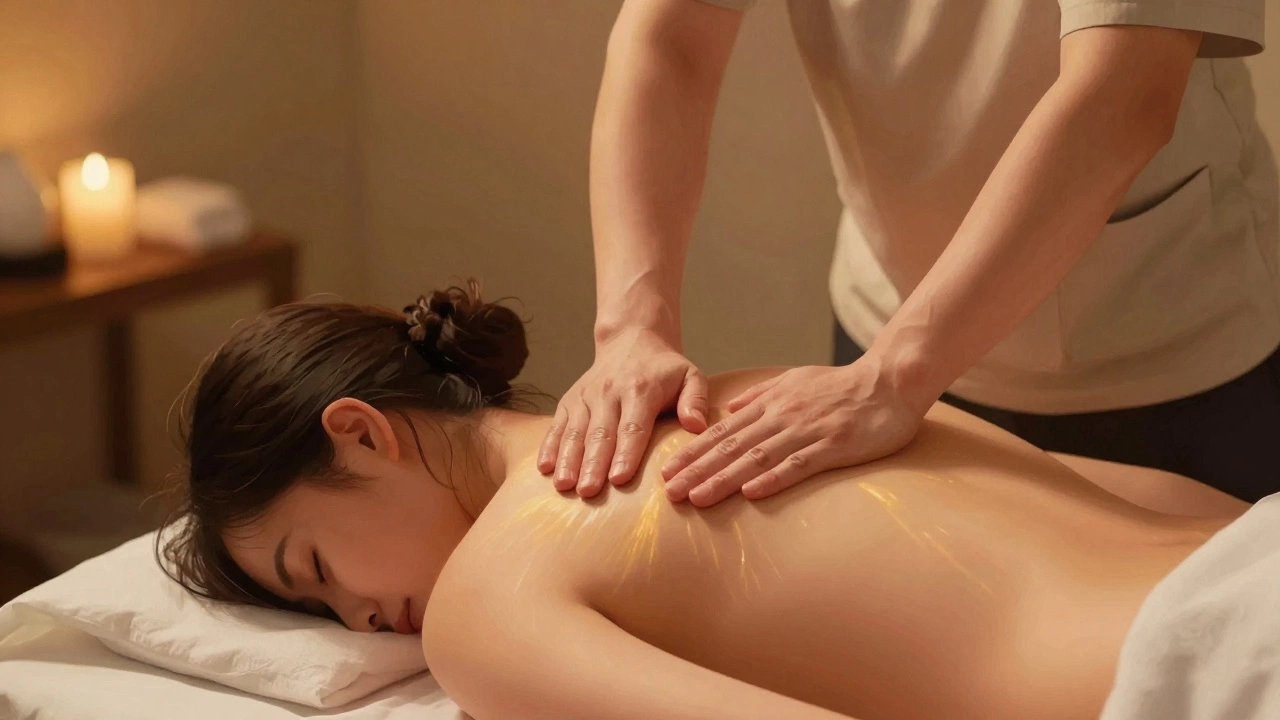
One of the biggest mistakes people make is switching therapists every time they get a massage. Consistency matters. Your body remembers touch. A good therapist learns your tension patterns, your breathing, even how you sit at your desk. That knowledge builds over time.
Look for someone who asks questions. Not just “Where does it hurt?” but “When did this start?” or “Does it get worse after sitting?” They should adjust pressure based on your feedback, not push through discomfort. And they shouldn’t rush you. A 60-minute session should feel like 60 minutes - not 45 minutes of work and 15 minutes of rushing you out.
Once you find someone who gets it, book ahead. Don’t wait until you’re in pain to schedule. Block it in your calendar like a doctor’s appointment.
What to Do Between Sessions
Massage is only half the job. The other half is what you do in between. Stretching for five minutes a day helps. Walking 20 minutes keeps your hips and spine mobile. Drinking water helps flush out the metabolic waste that massage releases.
Also, pay attention to posture. Slouching at your desk, cradling your phone between your ear and shoulder, sleeping on your stomach - these habits undo the work of your massage. You don’t need to be perfect. Just notice. Adjust. Repeat.
Red Flags to Watch For
Not every massage place is trustworthy. Watch out for:
- Therapists who don’t ask about your health history
- Places that push expensive packages upfront
- Staff who don’t wash their hands or change sheets between clients
- Techniques that leave you bruised or in more pain after
A good massage should leave you feeling lighter, not battered. If you’re sore the next day, it was too hard. If you feel numb or tingling after, it was done wrong. Trust your body. It knows.

Can You Do It Yourself?
Self-massage helps - foam rollers, massage balls, even your fists on your thighs. But it’s not the same. Your hands can’t reach your own upper back the way another person’s can. And your brain is too busy telling you what to do to fully relax.
Think of self-care as a supplement, not a replacement. Use a massage ball before bed to loosen your calves. Roll your feet on a tennis ball after a long walk. But don’t skip professional sessions. Your body deserves more than what you can give yourself.
What Happens When You Stop?
Benefits fade in about three to four weeks. Muscle tension creeps back. Sleep gets lighter. Movement feels stiffer. That’s why consistency beats intensity. One amazing massage won’t fix six months of neglect. But four good ones over a month? That’s how real change happens.
People who stick with regular body massage don’t just feel better. They move better. They sleep better. They notice pain before it becomes a problem. That’s not luck. That’s maintenance.
Start Small. Stay Consistent.
You don’t need to book a 90-minute session every week. Start with one 45-minute body massage a month. Set a reminder on your phone. Mark it in your calendar. Treat it like an appointment you can’t miss.
After three months, you’ll notice things you didn’t know were broken: your shoulders don’t ache when you reach for the top shelf. You sleep through the night. You don’t need to pop your neck to feel loose. That’s the real reward. Not the massage itself - but what it lets you do afterward.
And if you’re curious about something different - maybe a nuru massage for deep relaxation, or Thai massage Dubai for full-body mobility - try it once. But keep your regular routine. That’s what keeps you well.